
One Piece Odyssey Game Guide
Overview
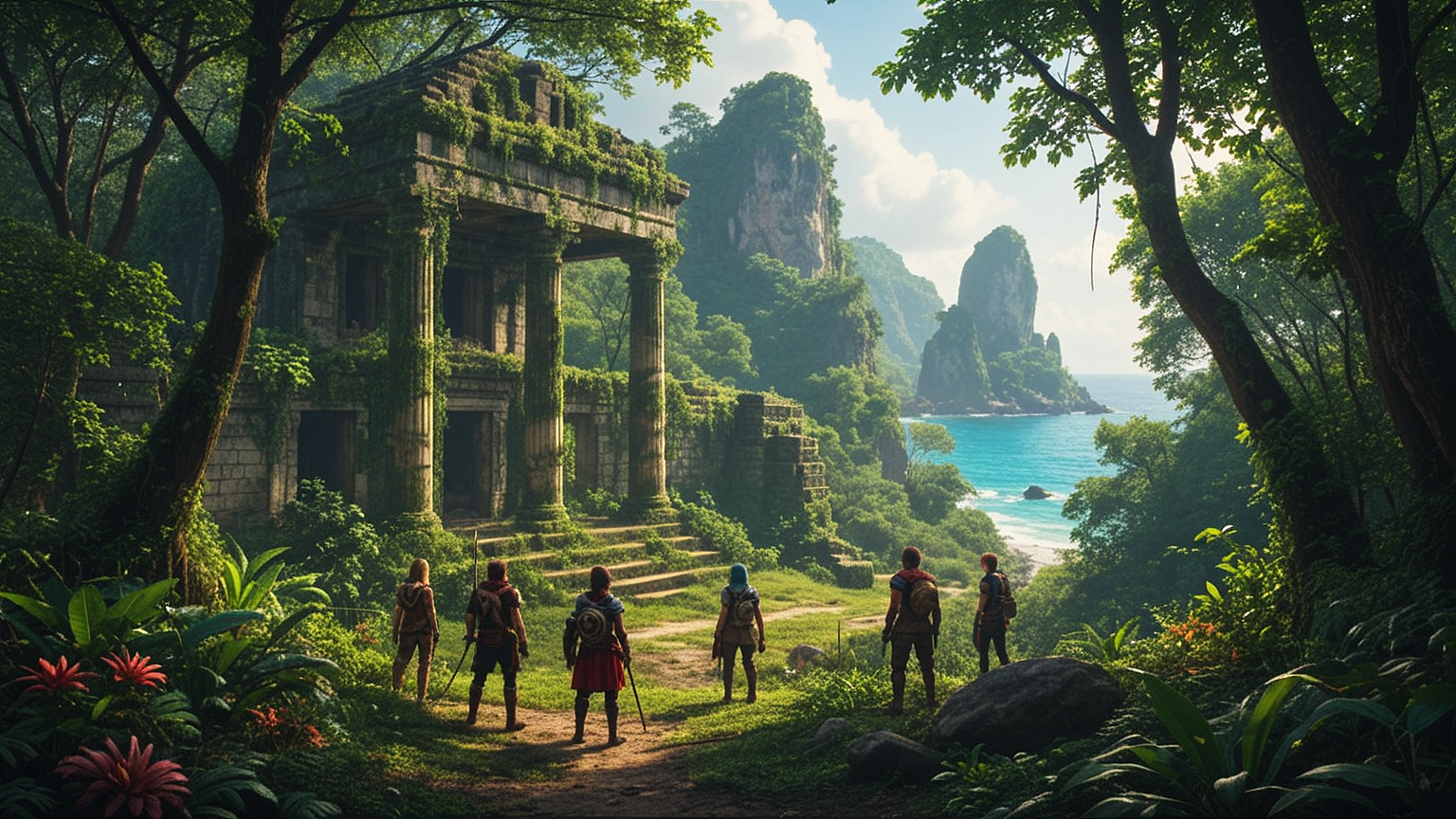
The adventure begins when a powerful storm leaves the Straw Hat Pirates stranded on Waford. The Thousand Sunny is badly damaged, the crew is separated, and Luffy and the others soon discover that the island holds ancient ruins, strange creatures and secrets of its own.
The basic structure will be familiar to anyone who has played a Japanese RPG. You explore different areas, complete quests, fight enemies, collect resources and improve your characters as the story progresses.
What makes One Piece Odyssey different is how closely those systems are tied to the Straw Hat crew. The game lets you take control of the crew members both during combat and while exploring, with each character bringing their own abilities to the adventure.
If you’re exploring other games based on anime and manga, the Anime Games Hub is a good place to continue.
Story
The main story takes place on Waford, where the crew meets two original characters, Lim and Adio. The island’s mysteries soon become connected to the Straw Hats’ lost abilities and their memories of past adventures.
That’s where Memoria, the game’s world of memories, becomes important.
Rather than simply retelling the One Piece story, Memoria allows the crew to revisit familiar events and locations from a different perspective. The game incorporates parts of arcs such as Alabasta, Water Seven, Marineford and Dressrosa into its RPG adventure.
This gives the story two layers. Waford provides the game’s original adventure, while Memoria gives longtime fans a chance to revisit recognizable parts of the series.
The result is a story that assumes some familiarity with One Piece without making the entire game a collection of scenes taken directly from the anime.
How Combat Works
Combat is turn-based, but One Piece Odyssey adds a few mechanics that make battles more active than simply choosing an attack and waiting for the next round.
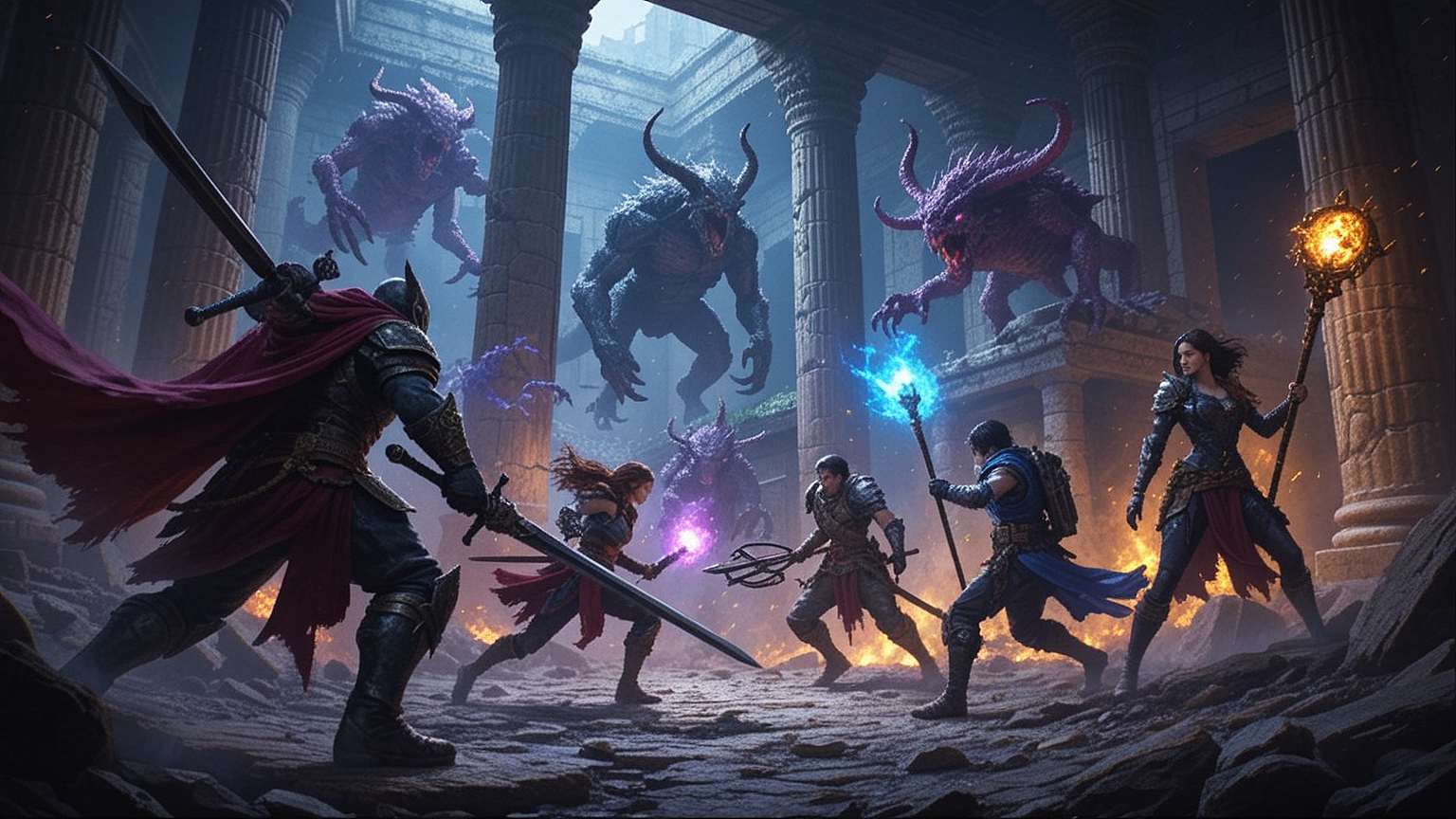
Characters and enemies are divided into three types: Power, Speed and Technique. These work in a rock-paper-scissors relationship, so choosing the right character or attack can give you an advantage against a particular enemy.
Battles can also place characters in different areas rather than putting everyone into a single fixed line. You can switch characters and adjust your strategy depending on where enemies and party members are positioned.
That makes party selection important. Luffy, for example, is a Power-type character, while Nami is a Speed-type character. Different Straw Hats therefore have situations where their abilities are particularly useful.
There are also Dramatic Scenes, which introduce unexpected conditions during certain battles. A fight might require you to protect a particular crew member or defeat a specific enemy, giving you an additional objective beyond simply winning the encounter.
For an RPG built around a large ensemble cast, this system gives the different Straw Hats a reason to remain relevant throughout the adventure.
Exploration and Character Abilities
Exploration is closely connected to the characters themselves.
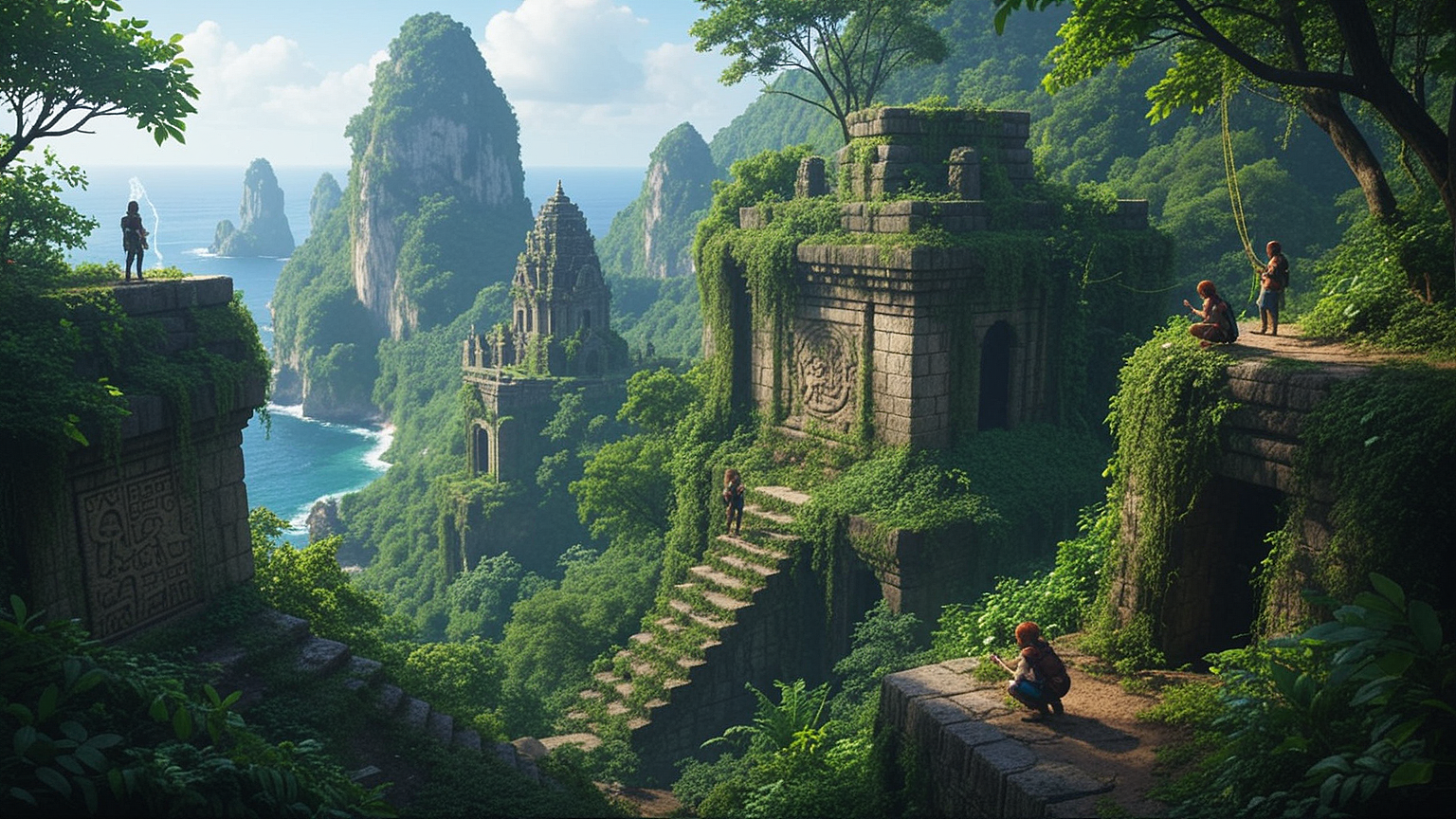
Instead of giving every character the same tools, One Piece Odyssey uses their familiar abilities to help players move through the environment. Luffy can use his rubber abilities to reach certain locations, while Zoro can cut through barriers. Other crew members have their own exploration functions.
That means changing the active character isn’t only useful during combat. It can also be necessary when searching an area or dealing with an environmental obstacle.
The world itself is divided into different areas rather than functioning as one enormous open-world map. Players can explore these locations, find items, encounter enemies and discover optional content while progressing through the main story.
The approach keeps the adventure relatively focused. Exploration adds variety between battles without taking the game too far away from its story-driven RPG structure.
RPG Systems and Progression
At its core, One Piece Odyssey uses familiar RPG progression.
Characters become stronger as they gain experience, while equipment, abilities and other resources provide additional ways to improve the party.
The game also uses a Cube system for character customization. Cubes can be used to enhance abilities, giving players another way to adjust and strengthen their characters as the adventure develops. The game includes additional systems such as cooking and item management as well.
One notable feature is Bond Arts, powerful attacks that combine the abilities of multiple Straw Hats. These are connected to Memory Links found within Memoria, giving optional exploration and character relationships a gameplay purpose.
The progression system is therefore more than simply increasing everyone’s level. The different characters, equipment, abilities and team combinations give players several ways to approach battles.
At the same time, the game doesn’t require the kind of highly detailed character builds found in some more complex RPGs.
Is One Piece Odyssey Good for RPG Beginners?
One Piece Odyssey is relatively approachable if you’re new to traditional turn-based RPGs.
The basic loop is easy to understand: explore an area, fight enemies, gain experience, improve the crew and continue the story. The Power, Speed and Technique system adds some tactical decision-making without requiring players to learn a complicated set of rules.
There is also a useful reason for experimenting with different characters. Because the Straw Hats have different combat types and exploration abilities, switching between them is part of the game’s design rather than an optional feature.
Experienced RPG players may find the systems less demanding than those in games built around deep character customization or complex party builds. That’s not necessarily a weakness. One Piece Odyssey puts considerable emphasis on the characters and story, using its RPG mechanics to support that experience.
If you’re new to RPGs altogether, our RPG Games Genre guide explains the broader mechanics and characteristics that define the genre.
Who Is One Piece Odyssey For?
The game is an obvious fit for One Piece fans who want a story-driven RPG featuring the Straw Hat crew.
It’s also worth considering for RPG players who enjoy turn-based combat but prefer a relatively accessible system over a highly complicated one.
The strongest reason to play it, however, is the combination of its two sides: a new adventure on Waford and a journey through the crew’s memories. The game uses traditional RPG mechanics to give those familiar characters a different way to interact with the One Piece world.
For more games based on anime and manga, explore the Anime Games Hub. If you’re interested in discovering other RPGs and understanding the different styles within the genre, continue with the RPG Games Genre guide.